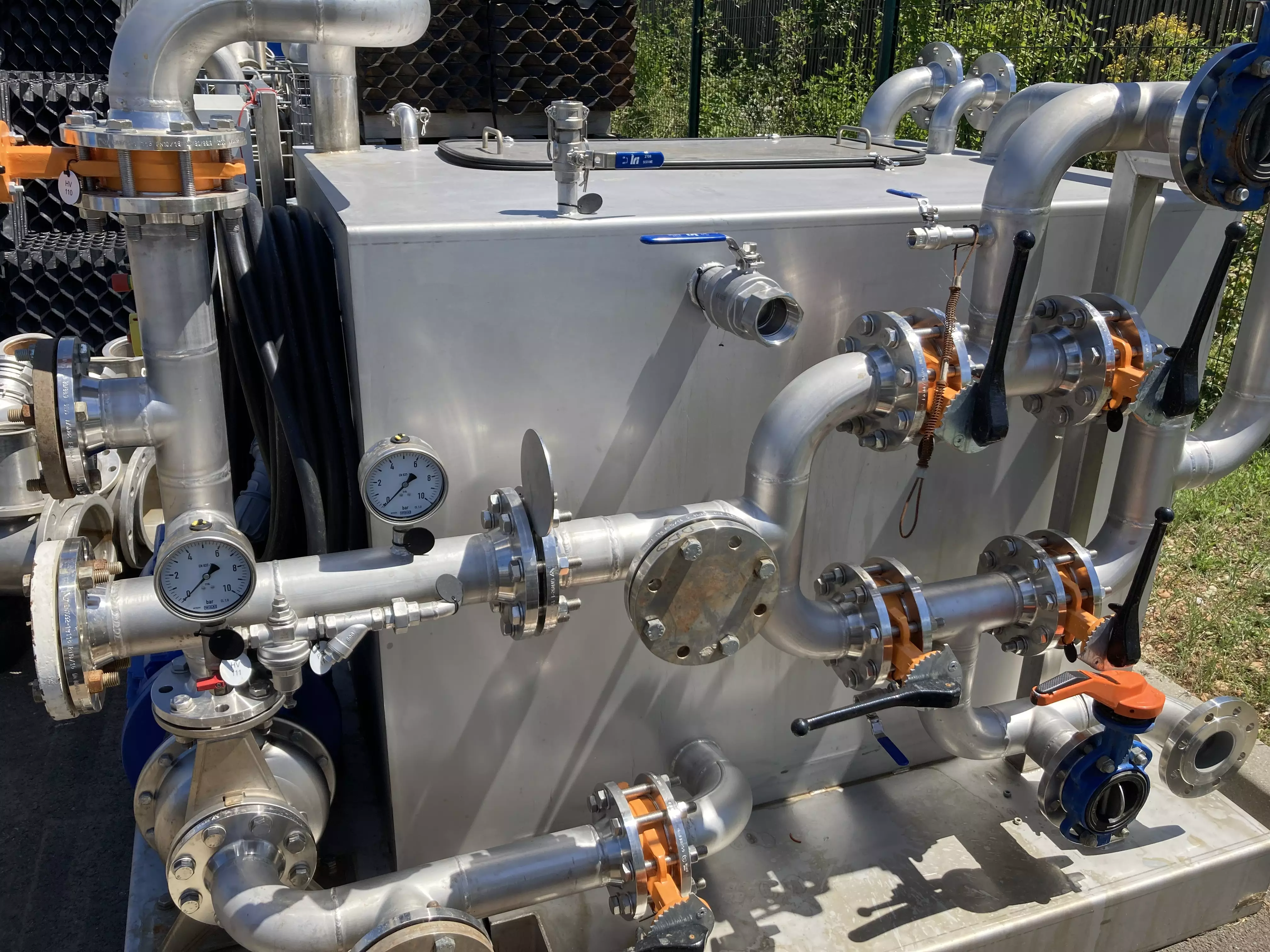
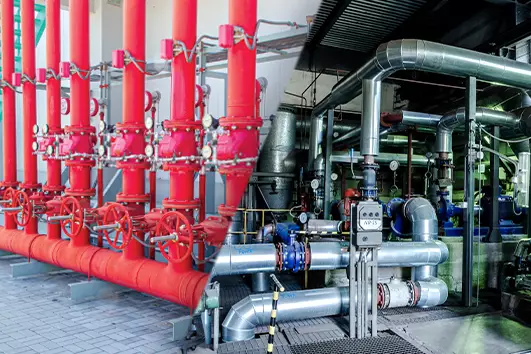
Draining PFAS-containing firefighting foam (AFFF) alone is not enough to eliminate the risk of contamination. Residues can remain trapped in storage tanks, pipework, proportioning systems and spray nozzles (sprinklers).
The same applies to industrial processes: transitioning to PFAS-free formulations first requires the effective removal of residual contamination, followed by thorough flushing and complete decontamination of the associated circuits and equipment, as well as the collection and analysis of representative samples.
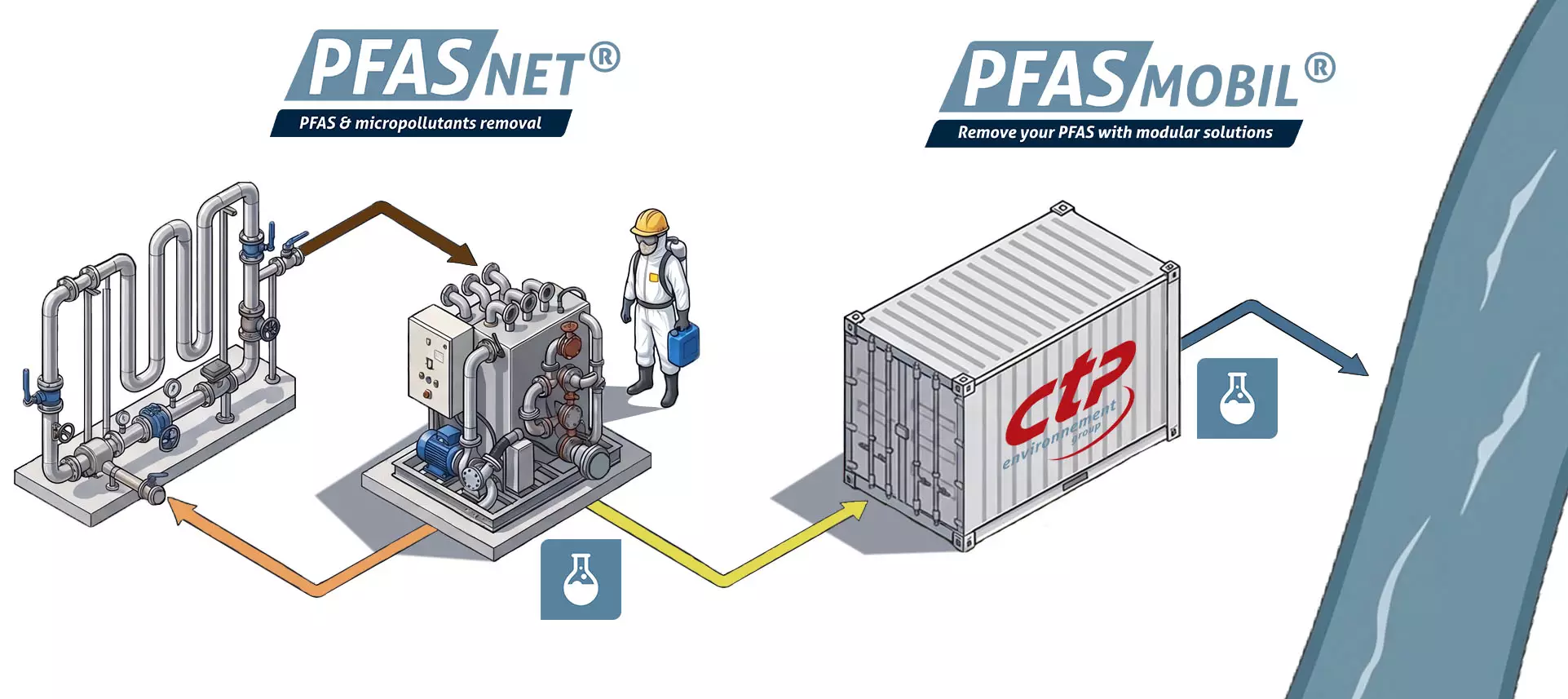
To ensure a safe transition to fluorine-free firefighting foams (FFF) or PFAS-free manufacturing processes, CTP environnement group offers PFASNET®, a fully tailored solution for the decontamination of your systems.
CONTACT AN EXPERT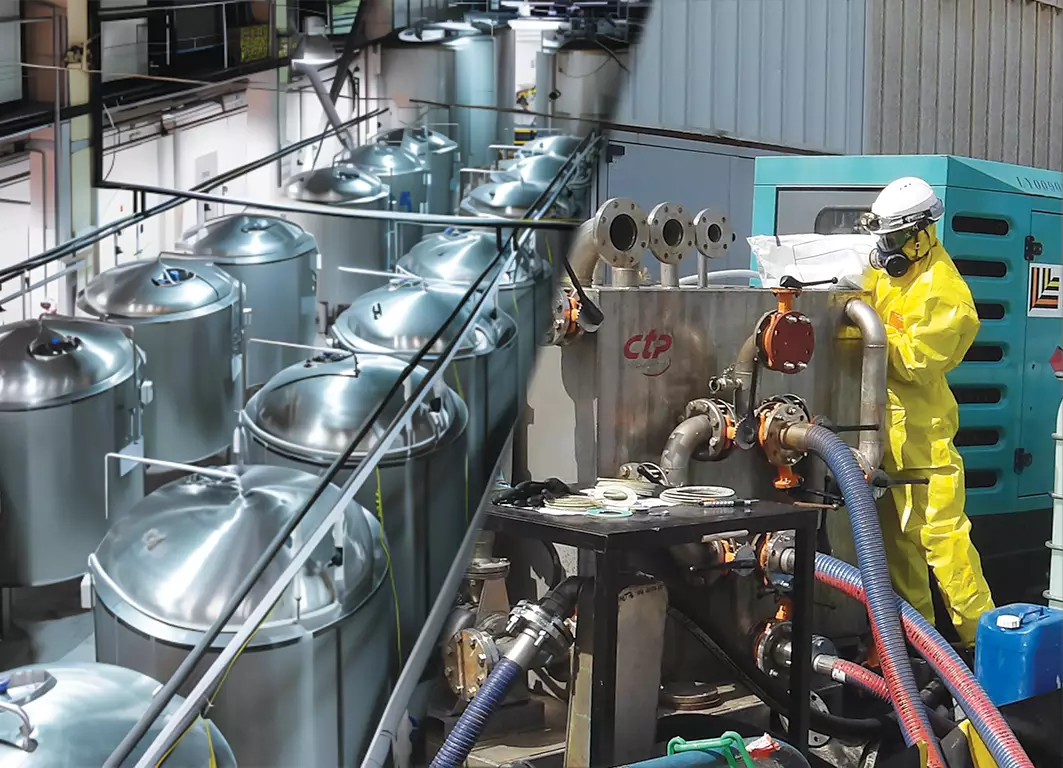
Our proven approach is based on recognised expertise, robust and field-tested technologies, and an effective, validated decontamination agent. Combined with an on-site analytical protocol enabling effective process control and compliant results, it ensures the removal of PFAS and other micropollutants from all types of industrial systems:
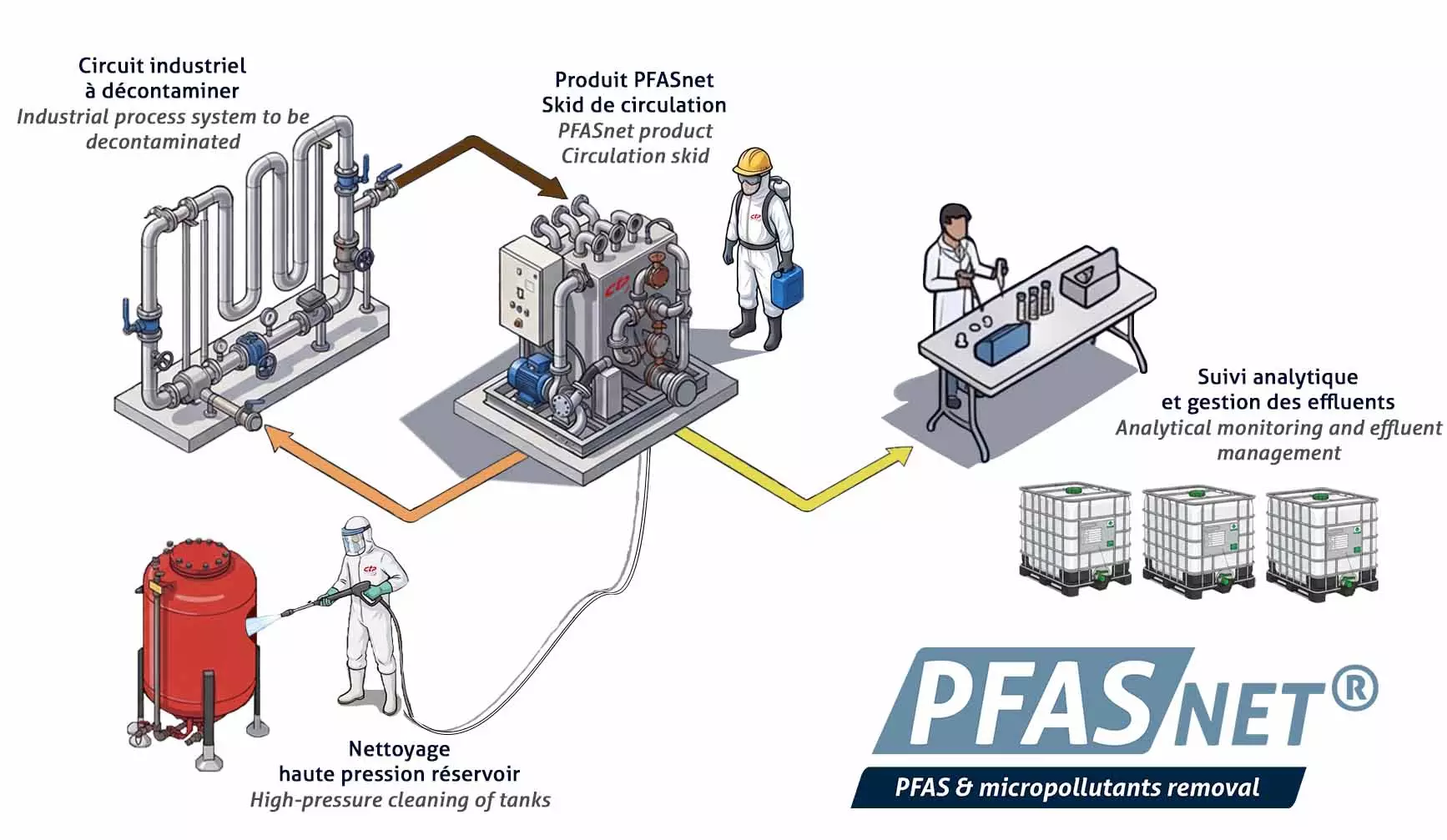
To ensure maximum efficiency, we have developed a specific, highly effective chemical reagent: PFASNET®. This proprietary product is designed to remove even the most persistent fluorinated compounds while keeping foaming under control.
Your benefits:

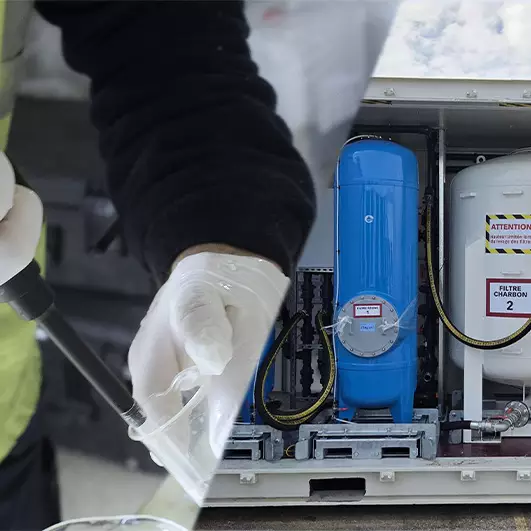
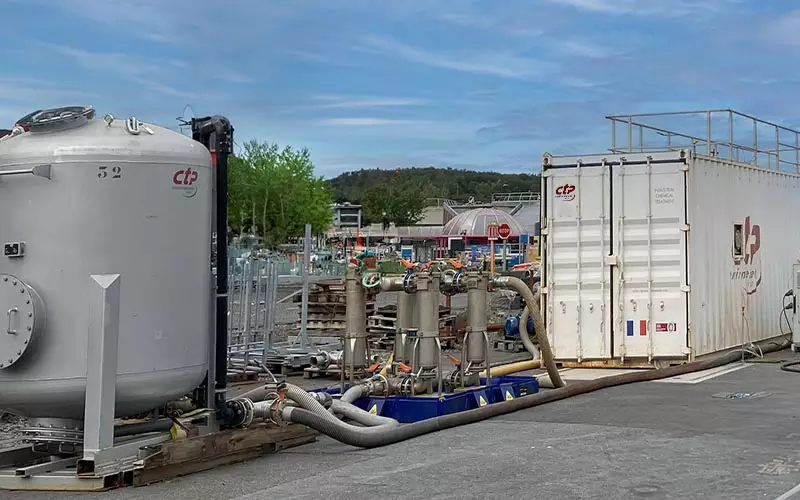
At CTP environnement group, we believe that water treatment requires complete flexibility. Our treatment solutions can be deployed individually or in combination to provide the most appropriate technical and/or cost-effective response, based on your actual needs, the concentration of contaminants in your effluents, and the discharge standards you are required to meet.
Our iterative, analytical approach allows us to test, adjust and validate the treatment process in situ:
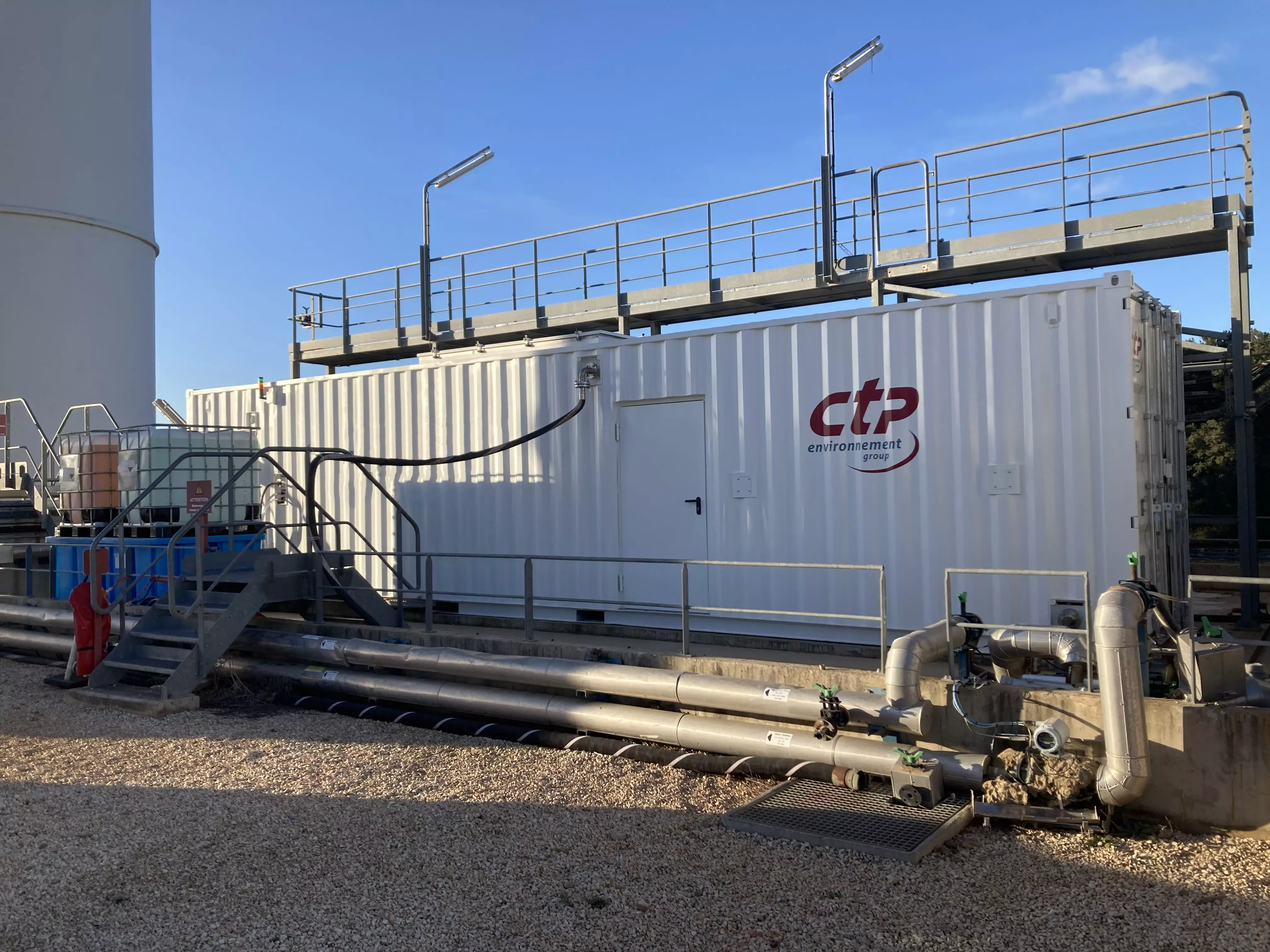
We combine the best available technologies to target the full spectrum of per- and polyfluoroalkyl substances:
Finally, we carry out on-site analytical monitoring, targeted sampling and carefully selected analyses to regulate and optimise the treatment process, reduce storage requirements and decision-making times, optimise costs and improve overall environmental performance.
CONTACT AN EXPERTFAQ
Anticipate regulatory requirements, protect the health of your employees and your brand reputation, and preserve the surrounding environment.
PFAS (per- and polyfluoroalkyl substances), often referred to as “forever chemicals”, are industrially derived chemical compounds that are extremely resistant to natural degradation. Their high persistence in the environment combined with their toxicity represent a major public health and environmental challenge, leading to an unprecedented acceleration of regulatory frameworks.
Regulatory pressure on industrial operators is increasing significantly:
Due to the extensive use of specific processes or fluids, several sectors are particularly affected:
Depending on their chain length (short or long), whether they are present individually or in mixtures, and/or in the presence of other pollutants, PFAS may respond differently to the various treatment technologies that can be deployed by CTP.
Each effluent must therefore undergo a feasibility study to determine the most appropriate treatment process to implement. In addition, the analytical strategy (sum of PFAS by LC-MS/MS, PFOA-equivalent parameters, AOF/EOF) must be tailored to the relevant regulatory parameter.
The current consensus across Europe is that there is no universal Emission Limit Value (ELV) applicable to discharges from all industrial sites. Compliance is assessed according to the specific profile of each facility:
For standard ICPE facilities: The applicable environmental quality requirements are defined by the site’s individual operating permit or discharge authorisation, sector-specific requirements and the objectives set for the receiving environment. Progressive compliance milestones may also be imposed, together with enhanced monitoring requirements.
For waste management facilities (ICPE categories 2790 / 2791): The Order of 16 July 2026 requires liquid discharges to be compatible with an extremely low PFOA-equivalent concentration in the receiving environment (4.4 ng/L for 25 PFAS substances). To comply with these requirements, facilities must implement high-performance treatment systems or face potential enforcement measures. The regulation also requires monthly monitoring, quarterly verification by an accredited external laboratory, and systematic electronic reporting of results to the ICPE inspection authorities.
Expert Testimonials
"Water pollution from PFAS-containing products has become a major industrial and societal challenge.
Building on our recognized expertise in providing mobile, modular, and scalable solutions, we offer a flexible, turnkey service.
Each proposed treatment is optimized, incorporating physical and/or physico-chemical solutions, equipment, and services aligned with a sustainable life cycle, integrating all our partners.
These robust solutions can be deployed rapidly to meet the needs of manufacturers and local authorities."
"PFAS treatment in effluents is complex to design and implement due to:
• The diversity of chemical species classified as PFAS and the variety of effluent types.
• Evolving regulations: 20 PFAS species classified in France, 50 worldwide, and more to come.
• Very low or yet-to-be-defined regulatory discharge thresholds (often around 0.1 µg/L).
• Challenging final disposal requirements.
Several types of technology exist ; thermal, membrane, physical, and/or chemical. Thermal and membrane solutions are not cost-effective in terms of energy and financial sustainability, unless combined with physico-chemical or physical solutions."
"In the absence of established parameters (variation in effluent composition, discharge or reuse thresholds), the ideal approach is to conduct on-site pilot trials.
Depending on the needs of industrial companies, local authorities, or regulatory authorities, we adopt an iterative and analytical approach to deploying equipment, field measurement devices, and intervention teams capable of defining the most effective PFAS treatment process and achievable limits.
The water quality / energy consumption / waste management balance is always adapted to meet our clients’ expectations."
"Water pollution from PFAS-containing products has become a major industrial and societal challenge.
Building on our recognized expertise in providing mobile, modular, and scalable solutions, we offer a flexible, turnkey service.
Each proposed treatment is optimized, incorporating physical and/or physico-chemical solutions, equipment, and services aligned with a sustainable life cycle, integrating all our partners.
These robust solutions can be deployed rapidly to meet the needs of manufacturers and local authorities."
"PFAS treatment in effluents is complex to design and implement due to:
• The diversity of chemical species classified as PFAS and the variety of effluent types.
• Evolving regulations: 20 PFAS species classified in France, 50 worldwide, and more to come.
• Very low or yet-to-be-defined regulatory discharge thresholds (often around 0.1 µg/L).
• Challenging final disposal requirements.
Several types of technology exist ; thermal, membrane, physical, and/or chemical. Thermal and membrane solutions are not cost-effective in terms of energy and financial sustainability, unless combined with physico-chemical or physical solutions."
"In the absence of established parameters (variation in effluent composition, discharge or reuse thresholds), the ideal approach is to conduct on-site pilot trials.
Depending on the needs of industrial companies, local authorities, or regulatory authorities, we adopt an iterative and analytical approach to deploying equipment, field measurement devices, and intervention teams capable of defining the most effective PFAS treatment process and achievable limits.
The water quality / energy consumption / waste management balance is always adapted to meet our clients’ expectations."